


Women’s health
Half of “I’m just tired” in women is a measurable deficiency. Most often — iron.
Markers: Ferritin · Haemoglobin · Vitamin D · TSH · B12 +2
The idea
Women’s physiology has a monthly expense that “universal multivitamins” ignore: iron. Per EFSA, iron deficiency is the most common nutritional deficiency and affects mostly women of reproductive age. Add vitamin D and the thyroid — and you have the most common measurable causes of tiredness and hair loss. Iron contributes to the reduction of tiredness and to normal oxygen transport; folate to maternal tissue growth during pregnancy; vitamin B6 to the regulation of hormonal activity. For PMS and the cycle there is no approved claim — we write none; in pregnancy and breastfeeding the protocol stops and refers to a doctor.
The goals
Ferritin — from “barely in the reference range” to a stable store, with iron only for a confirmed deficiency.
Folate, B6, B12 and magnesium — contributing to the reduction of tiredness and normal psychological function.
Selenium — contributing to normal thyroid function; TSH watched.
Zinc, selenium and copper — for the maintenance of normal hair, skin and nails; a clear signal when it is one for a gynaecologist.
What the test looks at
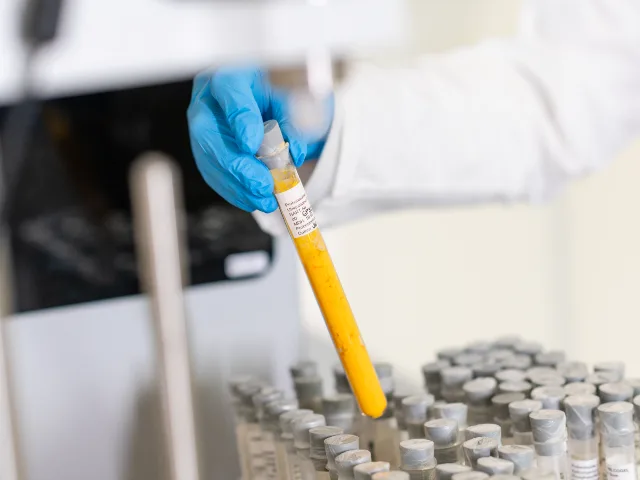
The questions look at the cycle (heavy, irregular, painful to the point of not being able to work — that is for a doctor), tiredness, hair loss, diet (a vegan/vegetarian diet — iron and B12 under the magnifier), pregnancy or breastfeeding. With blood results: ferritin and haemoglobin, vitamin D, TSH, vitamin B12 and folate, zinc where available. Pregnancy and breastfeeding: no protocol is made — a doctor.
The solutions
From our ingredients
Iron bisglycinate contributes to the reduction of tiredness and to normal oxygen transport in the body — with a confirmed low ferritin, not by rote; vitamin B6 to the regulation of hormonal activity; folate and B12 to the reduction of tiredness and normal psychological function; selenium to normal thyroid function; magnesium to the reduction of tiredness and the normal function of the nervous system; vitamin D and calcium to the maintenance of normal bones; zinc, selenium and copper to hair, skin and nails.
Lifestyle — without it, supplements are cosmetics
Iron from food with vitamin C in the same meal, not with coffee or tea; protein in every meal; sleep; a cycle diary for the gynaecologist.
What to expect
Ferritin rises slowly — 8–12 weeks — and is followed at the re-test; about the cycle and PMS we promise no change — that is for a gynaecologist.
What goes into the sachet for this topic
All of this isn’t 10 little jars. The ingredients your test points to are blended into one daily sachet with your doses — made for you in Austria.

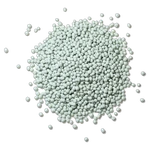
Copper
copper sulphate · 0.3–2 mg
Connective tissue · hair pigmentation
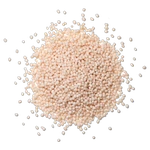
Vitamin B12
methylcobalamin · 80–800 µg
Tiredness · nervous system · red blood cells
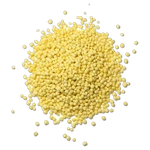
Folate
methylfolate · folic acid · 66.7–600 µg
Psychological function · tiredness · pregnancy
Magnesium
magnesium bisglycinate / citrate / oxide · 125–250 mg
Tiredness · muscle function · nervous system
Vitamin C
ascorbic acid · 26.7–240 mg
Immune system · collagen formation
Omega-3
algal oil DHA/EPA · 2 separate capsules · 0–950 mg
Heart — 2 capsules
Vitamin B6
pyridoxine hydrochloride · 0.5–4.3 mg
Hormonal activity · nervous system
Vitamin D3
cholecalciferol · 10–100 µg
Immune system · bones · calcium
Zinc
zinc bisglycinate · 3.3–25 mg
Immune system · skin, hair, nails · testosterone
The ingredients shown are the possible ones for this topic. Only those your test and blood data point to go into your protocol — in individual doses.