


Skin, hair & connective tissue
Skin, hair and connective tissue are built from specific micronutrients — and those can be measured.
Markers: Ferritin · Vitamin D · Zinc · CRP
The idea
Cosmetics work from the outside, but connective tissue — skin, cartilage, tendons — is built from within. There is no approved claim “for joints” here and we don’t write one. What has grounds: vitamin C contributes to normal collagen formation for the normal function of cartilage, skin and bones; zinc to the maintenance of normal skin, hair and nails; copper to the maintenance of normal connective tissues and hair pigmentation; manganese to the normal formation of connective tissue; calcium and vitamin D to bones. Collagen, MSM and hyaluronate carry no approved claim — they are included descriptively only. Hair loss is most often an iron deficiency — and that is measured (ferritin).
The goals
The co-factors of collagen synthesis with approved claims: vitamin C, zinc, copper, manganese — dosed by the data.
Zinc and selenium — contributing to the maintenance of normal hair and nails; with hair loss, ferritin.
Calcium and vitamin D — for the maintenance of normal bones.
A clear signal when joint pain is one for a doctor.
What the test looks at
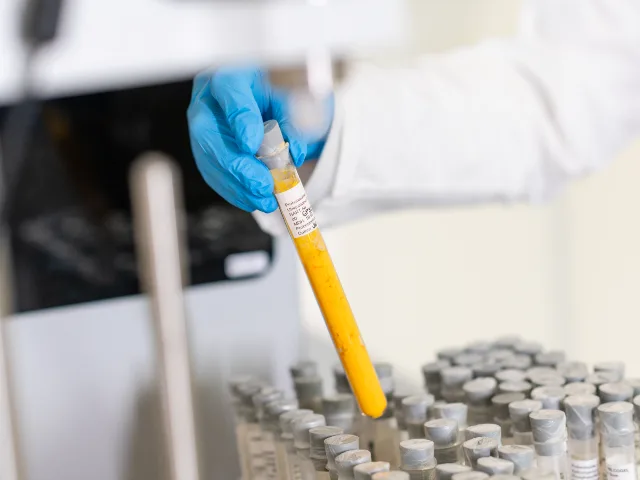
The questions look at skin, hair, nails, joint load, diet (protein, vegetables) and sun. With blood results: ferritin (hair loss in women is most often iron-deficiency related — per EFSA and WHO), vitamin D, zinc where available, calcium, CRP. Swelling, redness or a lasting joint pain syndrome are for a doctor.
The solutions
From our ingredients
Vitamin C contributes to normal collagen formation for the normal function of cartilage, skin, bones and blood vessels; zinc to the maintenance of normal skin, hair and nails; copper to the maintenance of normal connective tissues and normal hair pigmentation; manganese to the normal formation of connective tissue and bones; calcium and vitamin D to bones; selenium to hair and nails. Collagen (fish peptides, 700–1200 mg; allergen: fish), MSM and sodium hyaluronate — no approved claim, descriptive.
Lifestyle — without it, supplements are cosmetics
Protein in every meal (1.2–1.6 g/kg for those who train), strength training twice a week, sun protection, sleep — skin renews at night.
What to expect
Skin renews in ~4-week cycles — the realistic window is 8–12 weeks; ferritin rises slowly. The markers are followed at the re-test.
What goes into the sachet for this topic
All of this isn’t 10 little jars. The ingredients your test points to are blended into one daily sachet with your doses — made for you in Austria.

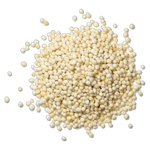
Selenium
selenomethionine · 18.3–165 µg
Thyroid · hair and nails
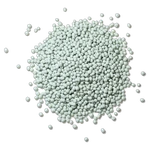
Copper
copper sulphate · 0.3–2 mg
Connective tissue · hair pigmentation
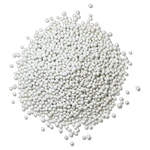
Magnesium
magnesium bisglycinate / citrate / oxide · 125–250 mg
Tiredness · muscle function · nervous system
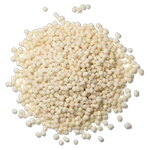
Vitamin C
ascorbic acid · 26.7–240 mg
Immune system · collagen formation
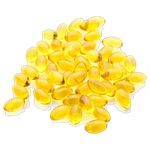
Omega-3
algal oil DHA/EPA · 2 separate capsules · 0–950 mg
Heart — 2 capsules
Calcium
calcium carbonate (Lithothamnion) · 266.7–1200 mg
Bones · teeth · muscle function
MSM
MSM (methylsulfonylmethane) · 33.3–630 mg
Description: an organic sulphur compound
Lutein
lutein (Tagetes erecta) · 2–6.8 mg
Description: a carotenoid of the macula
Vitamin D3
cholecalciferol · 10–100 µg
Immune system · bones · calcium
Zinc
zinc bisglycinate · 3.3–25 mg
Immune system · skin, hair, nails · testosterone
The ingredients shown are the possible ones for this topic. Only those your test and blood data point to go into your protocol — in individual doses.