


Thyroid & hormonal activity
Hormones are measured, not guessed. What supplements can do here is small and precisely defined.
Markers: TSH · FT4 · Ferritin · Vitamin D · Selenium +1
The idea
“Hormonal imbalance” is one of the industry’s most abused phrases. The truth is more modest: there are two EU-approved claims we stand on — selenium contributes to normal thyroid function, vitamin B6 contributes to the regulation of hormonal activity — and a few markers that say whether there is a problem: TSH, ferritin, vitamin D. Everything else — TSH out of range, an irregular cycle, thyroid symptoms — is for an endocrinologist or gynaecologist, and we say so before recommending anything.
The goals
Selenium dosed by your data — contributing to normal thyroid function.
Vitamin B6 — contributing to the regulation of hormonal activity; B12 and folate to normal psychological function.
Measurable deficiencies covered: vitamin D, ferritin, magnesium.
TSH and the markers watched at the re-test — and a clear signal when it is one for a doctor.
What the test looks at
The questions look at symptoms that may be linked to a deficiency (tiredness, hair loss, cold extremities, weight changes), stress and the cycle — without “diagnosing” them. With blood results: TSH (if out of range — FT4 and a doctor), ferritin, vitamin D, selenium where available, magnesium. Reference values are the lab’s; with TSH outside the range the protocol does not replace an endocrinologist.
The solutions
From our ingredients
Selenium contributes to normal thyroid function (and to the protection of cells from oxidative stress), vitamin B6 to the regulation of hormonal activity and the normal function of the nervous system, zinc to the maintenance of normal testosterone levels in the blood, magnesium to the reduction of tiredness and normal psychological function, vitamin D to the normal function of the immune system and bones.
Lifestyle — without it, supplements are cosmetics
Regular sleep, meals without long gaps, movement without exhaustion; with the cycle — a symptom diary a gynaecologist can use.
What to expect
The markers are looked at at the re-test after 8–12 weeks: TSH, ferritin, vitamin D. Changes in them are a question for a doctor; the protocol covers only the deficiencies.
What goes into the sachet for this topic
All of this isn’t 10 little jars. The ingredients your test points to are blended into one daily sachet with your doses — made for you in Austria.

Selenium
selenomethionine · 18.3–165 µg
Thyroid · hair and nails
Vitamin B12
methylcobalamin · 80–800 µg
Tiredness · nervous system · red blood cells
Magnesium
magnesium bisglycinate / citrate / oxide · 125–250 mg
Tiredness · muscle function · nervous system
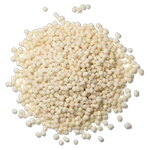
Vitamin C
ascorbic acid · 26.7–240 mg
Immune system · collagen formation

Omega-3
algal oil DHA/EPA · 2 separate capsules · 0–950 mg
Heart — 2 capsules
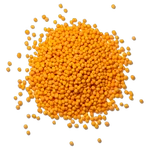
CoQ10
ubiquinone · 43.5–130.5 mg
Description: a compound the cells synthesise
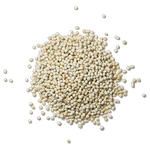
Vitamin B6
pyridoxine hydrochloride · 0.5–4.3 mg
Hormonal activity · nervous system
Calcium
calcium carbonate (Lithothamnion) · 266.7–1200 mg
Bones · teeth · muscle function
Vitamin D3
cholecalciferol · 10–100 µg
Immune system · bones · calcium
Zinc
zinc bisglycinate · 3.3–25 mg
Immune system · skin, hair, nails · testosterone
The ingredients shown are the possible ones for this topic. Only those your test and blood data point to go into your protocol — in individual doses.