


Concentration & cognitive function
Poor concentration has causes that can be checked: sleep, stress — and a few deficiencies that can be measured.
Markers: Ferritin · Haemoglobin · B12 · Folate · Vitamin D +2
The idea
“I can’t concentrate” is most often less than 7 hours of sleep, constant notifications and stress — and we say that first. But there is a measurable side too: iron and zinc contribute to normal cognitive function, and B6, B12 and folate to normal psychological function (EU-approved claims). The test checks whether any of these deficiencies is present before recommending anything.
The goals
Deficiencies with an approved claim for cognitive function covered: iron (with low ferritin), zinc, DHA.
B6, B12 and folate — contributing to normal psychological function — dosed by your data.
Sleep, daylight and uninterrupted work named before the supplements.
Re-test at 8–12 weeks: ferritin, B12, vitamin D over time.
What the test looks at
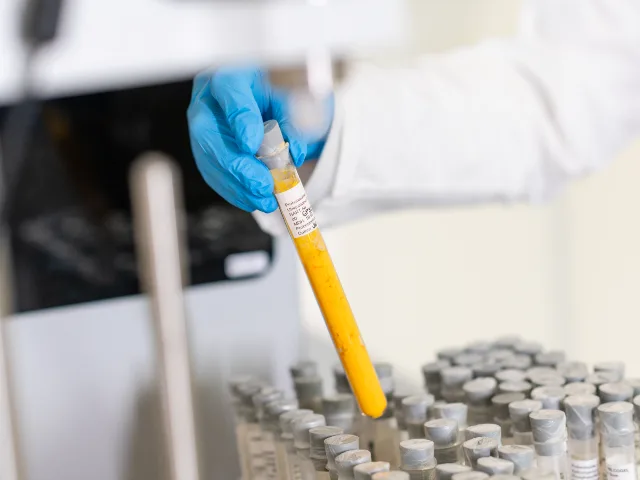
The questions tell apart distraction from habits (sleep, screens, multitasking, caffeine) from distraction that may be linked to a deficiency. With blood results we look at: ferritin and haemoglobin (iron contributes to normal cognitive function; its deficiency is the most common nutritional deficiency per EFSA), vitamin B12 and folate (normal psychological function), vitamin D, TSH and fasting glucose. A lasting change in memory or concentration is a question for a doctor, not a supplement.
The solutions
From our ingredients
Iron contributes to normal cognitive function (only with a confirmed low ferritin), zinc to normal cognitive function, B6, B12 and folate to normal psychological function, magnesium to normal psychological function and the reduction of tiredness.
Lifestyle — without it, supplements are cosmetics
7–8 hours of sleep, 25–45 minutes of uninterrupted work followed by a short break, notifications off, daylight in the morning, caffeine before noon.
What to expect
With an iron or B12 deficiency covered, the markers are followed at the re-test after 8–12 weeks; habits make a difference within days.
What goes into the sachet for this topic
All of this isn’t 10 little jars. The ingredients your test points to are blended into one daily sachet with your doses — made for you in Austria.

Vitamin B12
methylcobalamin · 80–800 µg
Tiredness · nervous system · red blood cells
Magnesium
magnesium bisglycinate / citrate / oxide · 125–250 mg
Tiredness · muscle function · nervous system
Vitamin C
ascorbic acid · 26.7–240 mg
Immune system · collagen formation
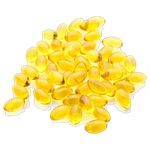
Omega-3
algal oil DHA/EPA · 2 separate capsules · 0–950 mg
Heart — 2 capsules
CoQ10
ubiquinone · 43.5–130.5 mg
Description: a compound the cells synthesise
Vitamin B6
pyridoxine hydrochloride · 0.5–4.3 mg
Hormonal activity · nervous system
Zinc
zinc bisglycinate · 3.3–25 mg
Immune system · skin, hair, nails · testosterone
The ingredients shown are the possible ones for this topic. Only those your test and blood data point to go into your protocol — in individual doses.